blogs
What Research Reveals About Their Impact?
Plastic waste isn’t just found in our oceans and woodlands, our bodies are now contaminated with plastic too. It’s very literally in us.
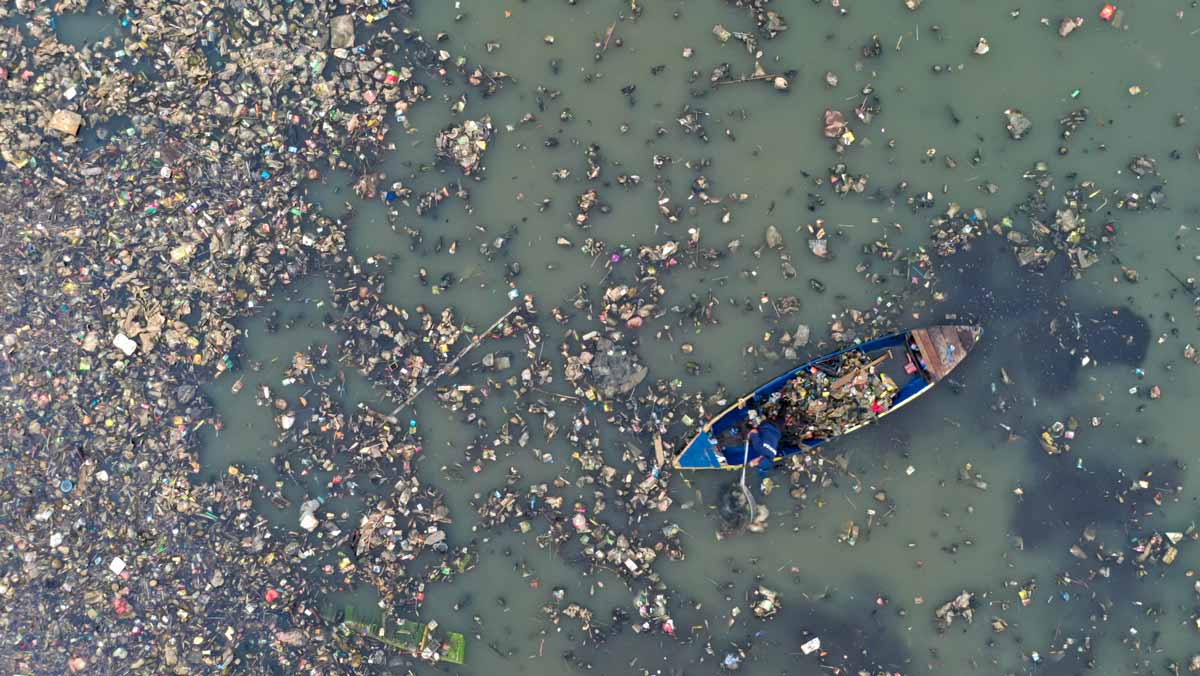
Polluted ocean. Image credit: Justin Gilligan
Microplastics, often smaller than 5mm, come from the breakdown of single-use plastics, synthetic materials, and other waste products. They are found in many surprising places:
Water and food: Tap water, bottled water, seafood, and salt have all been found to contain traces of microplastics. This is mostly due to amounts of plastic in the ocean being consumed by marine life and entering the food chain.
The air: Urban environments, where plastic waste is abundant, have high levels of airborne microplastics, which are inhaled daily.
Inside our bodies: Recent studies have discovered microplastics in human blood, organs, and even fetuses, raising concerns about the potential long-term health effects.
The Health Impacts of Microplastics
Scientists are still learning about the effects of microplastics, but they are increasingly worried about the harm these tiny particles can cause:
Toxins in the body: Many plastics contain harmful chemicals, like phthalates and bisphenols, that can enter the body. These chemicals may disrupt hormones and harm cells.
Chronic inflammation: Microplastics stuck in tissues can cause long-term inflammation, which might lead to problems like respiratory issues or damage to organs.
Unknown risks: Since microplastics are a newer area of research, we don’t yet fully understand their long-term effects on health.
How Can We Fight Back?
Microplastic crisis might seem overwhelming, but change is possible if we act now:
Reduce plastic waste: Switching to eco-friendly alternatives like recycled plastics and reusable materials can significantly reduce the amount of plastic entering the environment.
Support global action: Back initiatives like the Global Plastics Treaty, which aims to curb plastic pollution and promote sustainable practices worldwide.
Raise awareness: Educating people about the risks of microplastics can inspire more sustainable lifestyles and reduce dependence on single-use plastics.
Invest in solutions: Supporting ocean cleanup projects and innovative technologies can help tackle the existing pollution problem while preventing future contamination.
Join us!
Together we are part of a growing, global movement determined to bring about the changes our planet desperately needs.
Sign up to receive updates on our campaigns.