blogs
Learn why we need to take action now!
Microplastics, tiny plastic particles smaller than 5mm, have infiltrated every corner of our world. They are found in the depths of our oceans, in the tap water we drink, and even in the air we breathe.
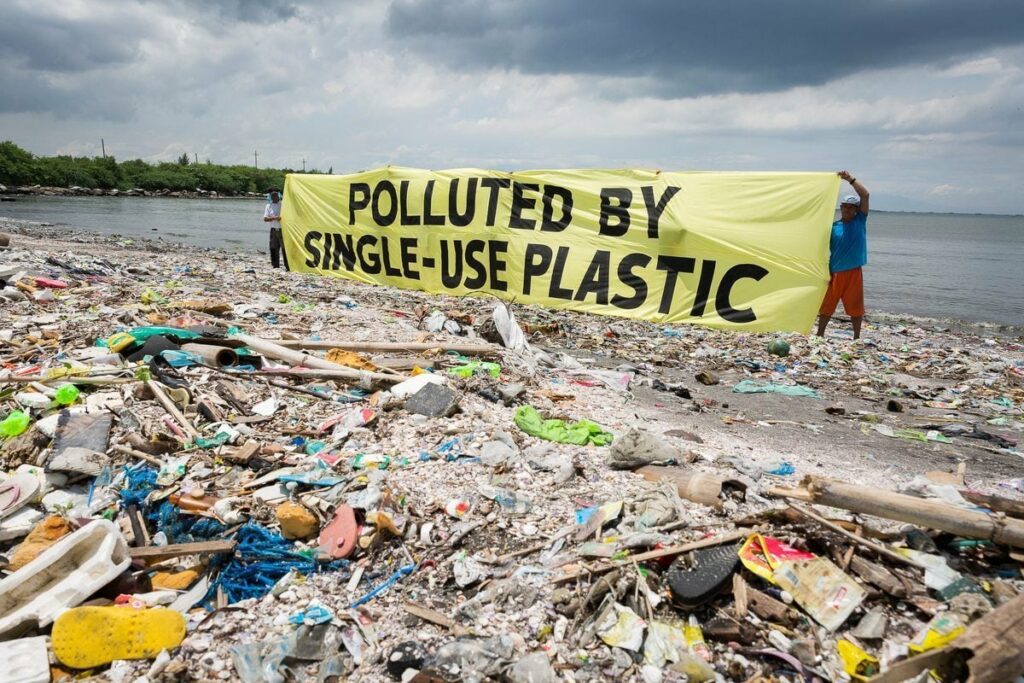
Single-use plastic. Image credit: Justin Gilligan
Once plastic waste enters the ecosystem, it never fully disappears. Instead, it fragments into smaller pieces, creating microplastics that pose significant risks to wildlife and humans. In the ocean, these particles are consumed by marine animals, entering the food chain and ultimately reaching our plates.
The presence of plastic in the ocean danger marine ecosystems, damages biodiversity , we need more ocean cleanup projects to restore balance to the environment!
Impact on Human Health
Recent studies have found microplastics in drinking water, salt, honey, and even human bloodstreams. Although research is still ongoing, preliminary findings suggest that microplastics may carry toxic chemicals that can harm human cells and bodily functions.
With evidence of microplastics being inhaled through air and ingested through food and water, the urgency to address this crisis has never been greater.
Microplastics in ocean
Microplastics are a significant component of the plastic in the ocean, which now totals millions of tons worldwide. This pollution not only devastates marine ecosystems but also undermines efforts like ocean cleanup projects aimed at restoring biodiversity and balance.
Every year, countless marine species are harmed by entanglement in plastic waste or by ingesting microplastics, which can lead to population declines entire ecosystems.
How to reduce Microplastics?
Combatting microplastics requires a multifaceted approach. Key steps include:
Reducing plastic usage: Avoid single-use plastics by choosing sustainable alternatives, such as recycled plasticsor reusable materials.
Supporting global initiatives: Efforts like the Global Plastics Treaty aim to limit plastic production and improve waste management worldwide.
Promoting eco-friendly innovations: Investing in biodegradable materials and cleaner production methods can help tackle the root causes of plastic pollution.
Raising awareness: Education campaigns can inform communities about the dangers of microplastics and encourage responsible consumer choices.
Join us!
Together we are part of a growing, global movement determined to bring about the changes our planet desperately needs.
Sign up to receive updates on our campaigns.