blogs
403 pieces of plastic were found inside this bird’s stomach
World leaders are meeting for the final round of negotiations on the Global Plastics Treaty. A seabird fledgling found dead on Lord Howe Island reminds us what’s at stake.
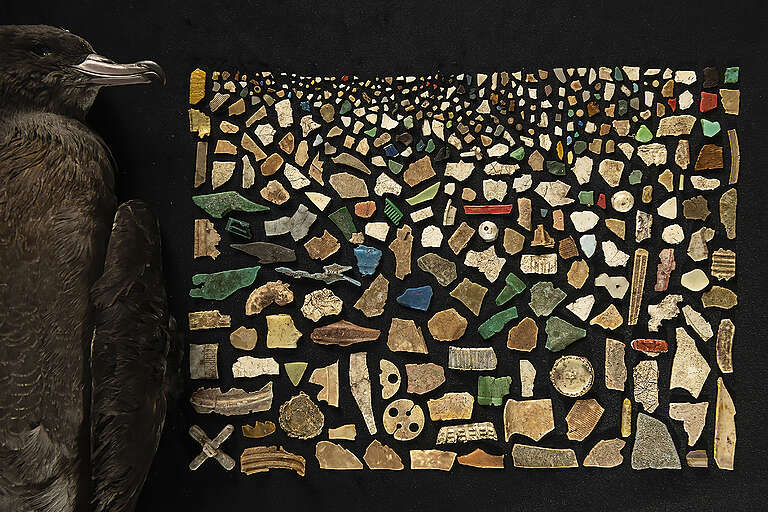
A Diet of Deadly Plastic. Image credit: Justin Gilligan
It’s an image that spells a painful story of death for a small seabird. A flesh-footed shearwater fledgling lies lifeless, it’s head turned to the side. From its beak begins a mosaic of hundreds of pieces of plastic arranged in a neat rectangle.
Bottle caps, bread tags, a balloon tie. When this young bird was found dead on the shores on Lord Howe Island, a total of 403 pieces of plastic were found in its digestive tract.
The photo, titled “A Diet of Deadly Plastic” won the Wildlife Photographer of the Year for the category of Oceans: The Bigger Picture.
Its photographer, Justin Gilligan, hopes it starts a conversation.
“We put at least 8 million tons of plastic in our oceans every year. Nowhere is immune to this threat, not the deepest parts of the ocean, or remote and pristine areas like the waters surrounding Lord Howe Island – an island paradise located half-way between Australia and New Zealand.”
– Justin Gilligan
To end the plastic and climate crisis, we need a Global Plastics Treaty that will:
End plastic pollution across the whole life cycle to protect the environment and human health
Set a legally binding target to reduce plastic production by at least 75% by 2040 to stay below 1.5° C for our climate and to protect our health, our rights, our communities, and our planet.
End single-use plastics, starting with the worst offending items like plastic sachets
Ensure a just and inclusive transition to a low-carbon, zero-waste, reuse-based economy
Be firmly rooted in a human rights-based approach that reduces inequalities between people, prioritizes human health, protects the environment and centers justice and the interests of communities most affected
INC5 is our last chance to win a strong Global Plastics Treaty. Leaders must be bold and adopt the strongest possible measures for this Treaty to work.
Join us!
Together we are part of a growing, global movement determined to bring about the changes our planet desperately needs.
Sign up to receive updates on our campaigns.